
Agribusiness
Growing Sustainable Livelihoods
Agribusiness provides households with both food security and income opportunities. Alhamdu SACCO supports climate-smart agricultural practices that enable members to increase productivity, diversify income and strengthen resilience against changing climatic conditions – a critical consideration given the recurrent drought stress characteristic of Wajir County and the wider ASAL region.
Focus Activities
| ■ Grass Production | ■ Vegetable Farming |
| ■ Fodder Production | ■ Kitchen Gardens |
| ■ Climate-Smart Agriculture | ■ Seedling Production |
| ■ Agribusiness Training | ■ Market Linkages |
Why It Matters
Grass and fodder production directly serve the pastoralist economy that underpins household livelihoods across Wajir County, providing a marketable input during dry seasons and reducing vulnerability to livestock losses. Vegetable farming and kitchen gardens improve household nutrition and food security while generating surplus for sale, and seedling production creates a further income stream while supporting local reforestation and land rehabilitation. Together, these activities are structured to build climate resilience alongside income – not as a trade-off, but as a combined outcome of the same set of practices.
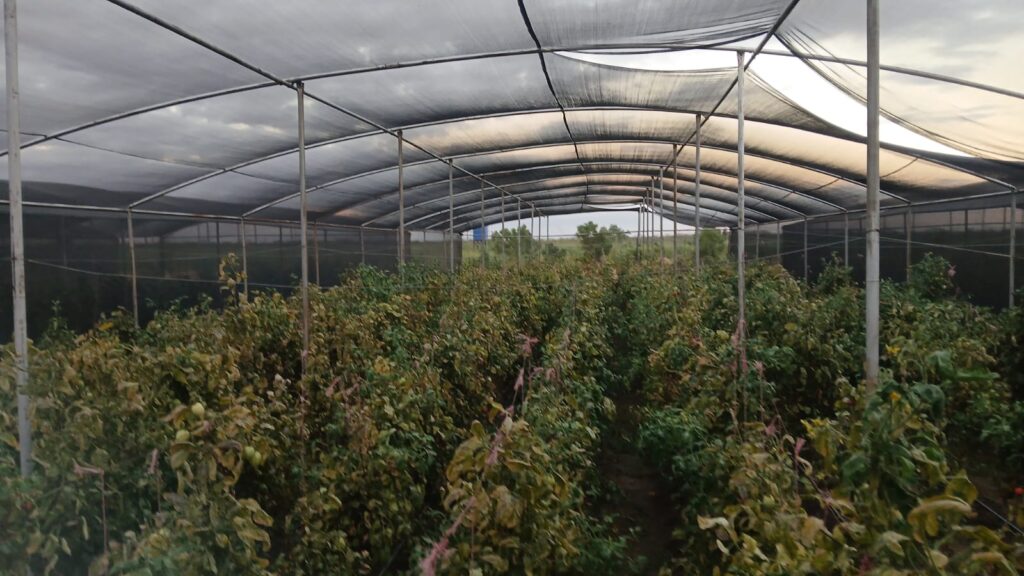
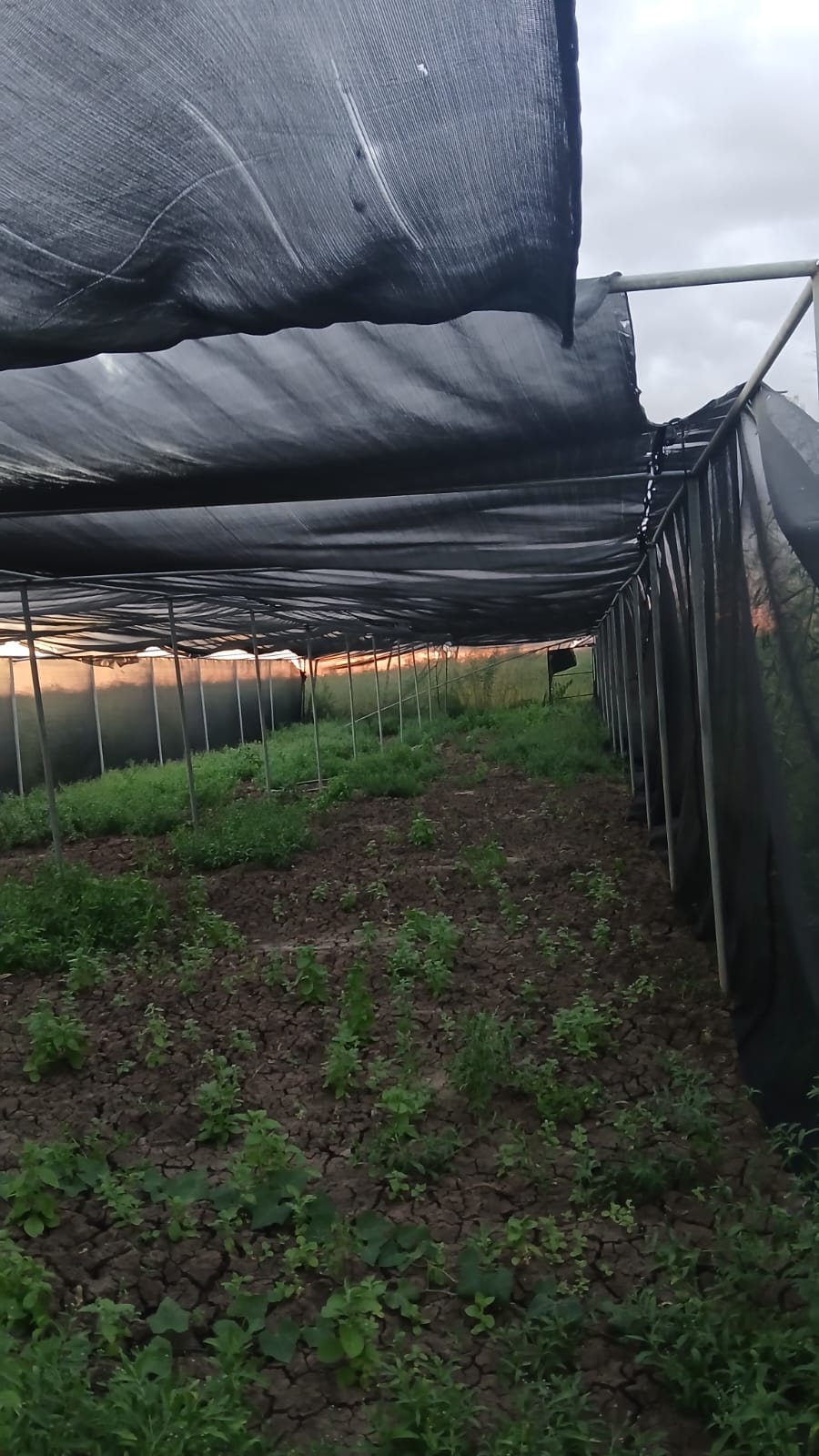
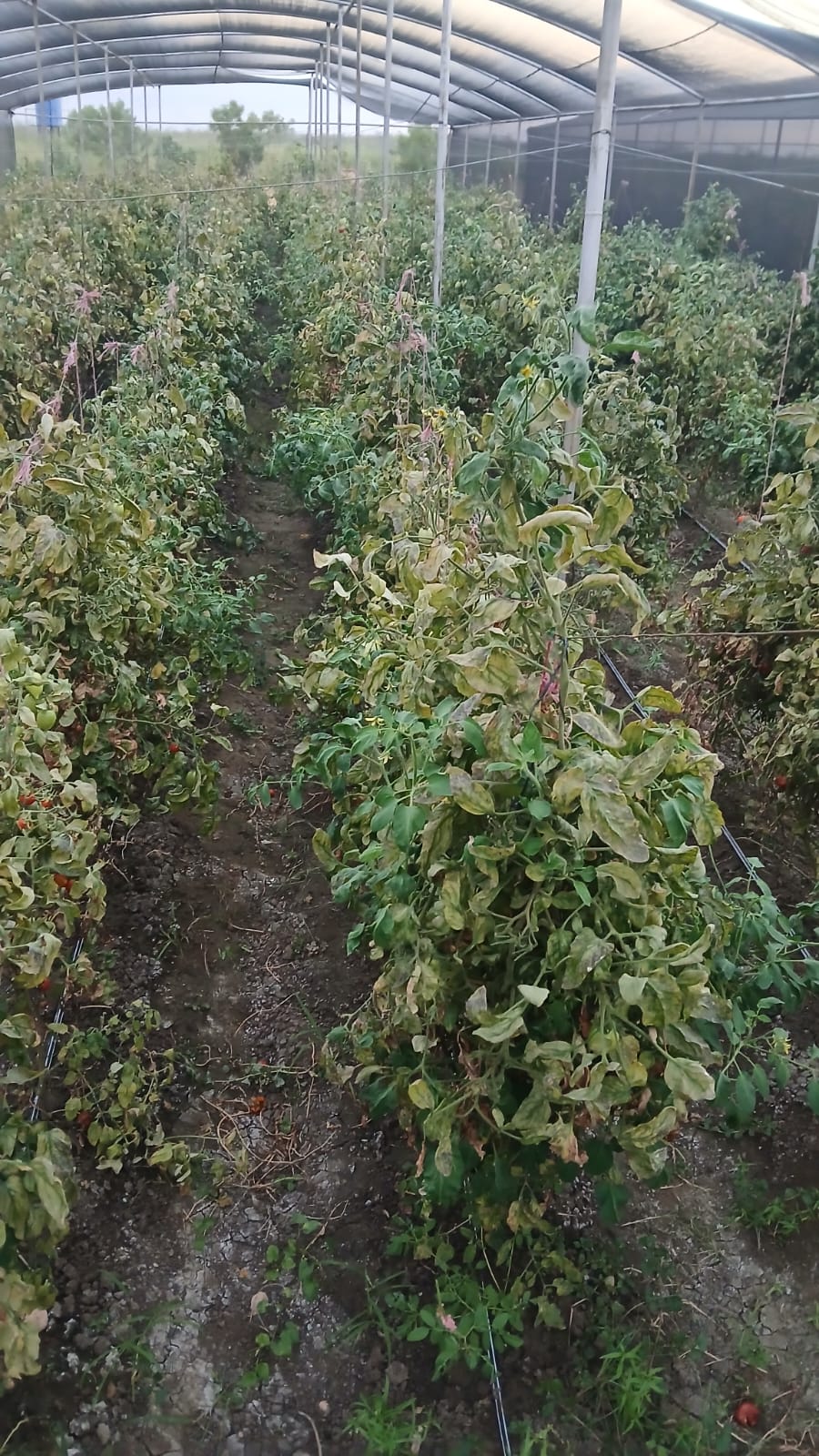
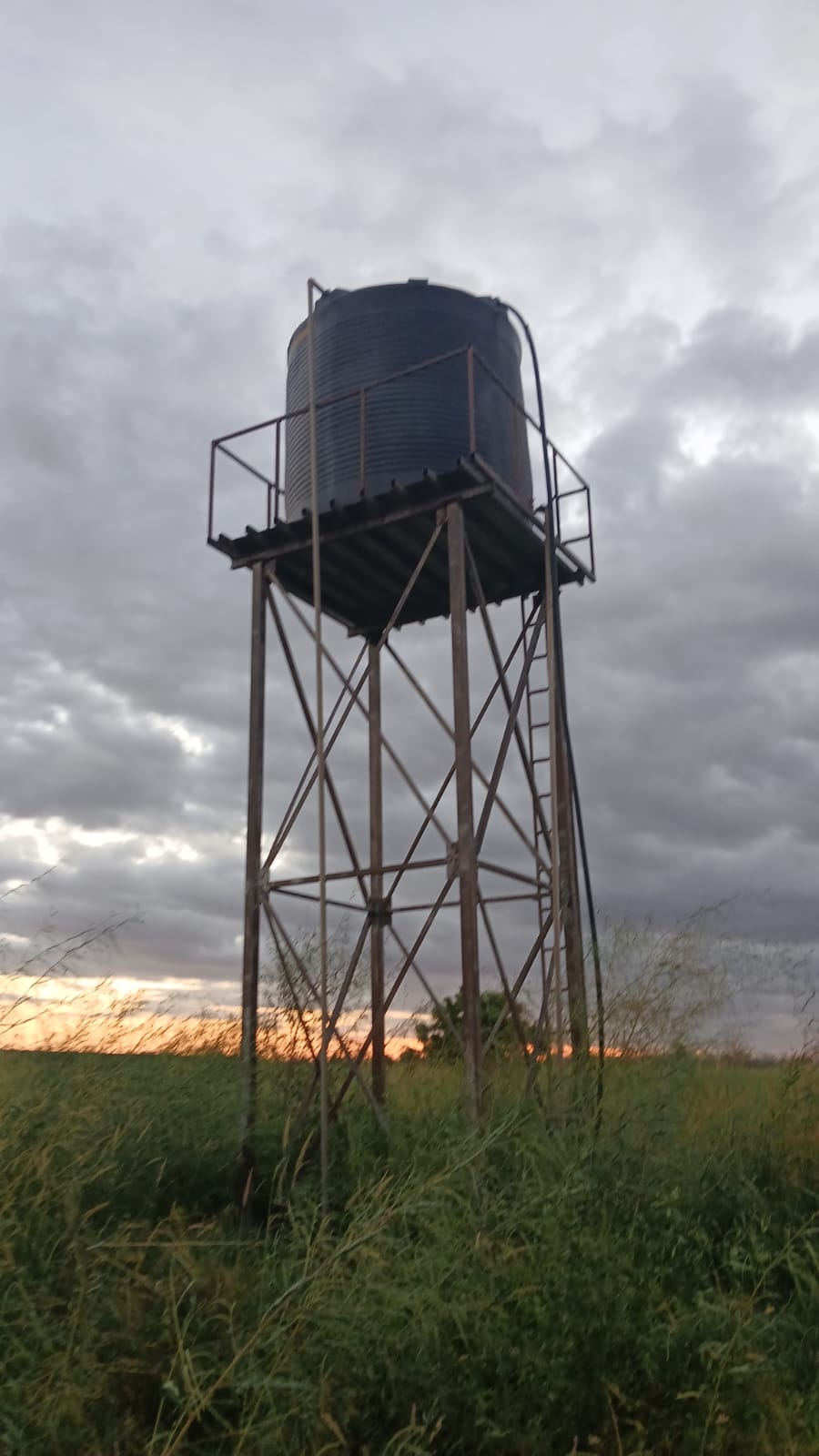
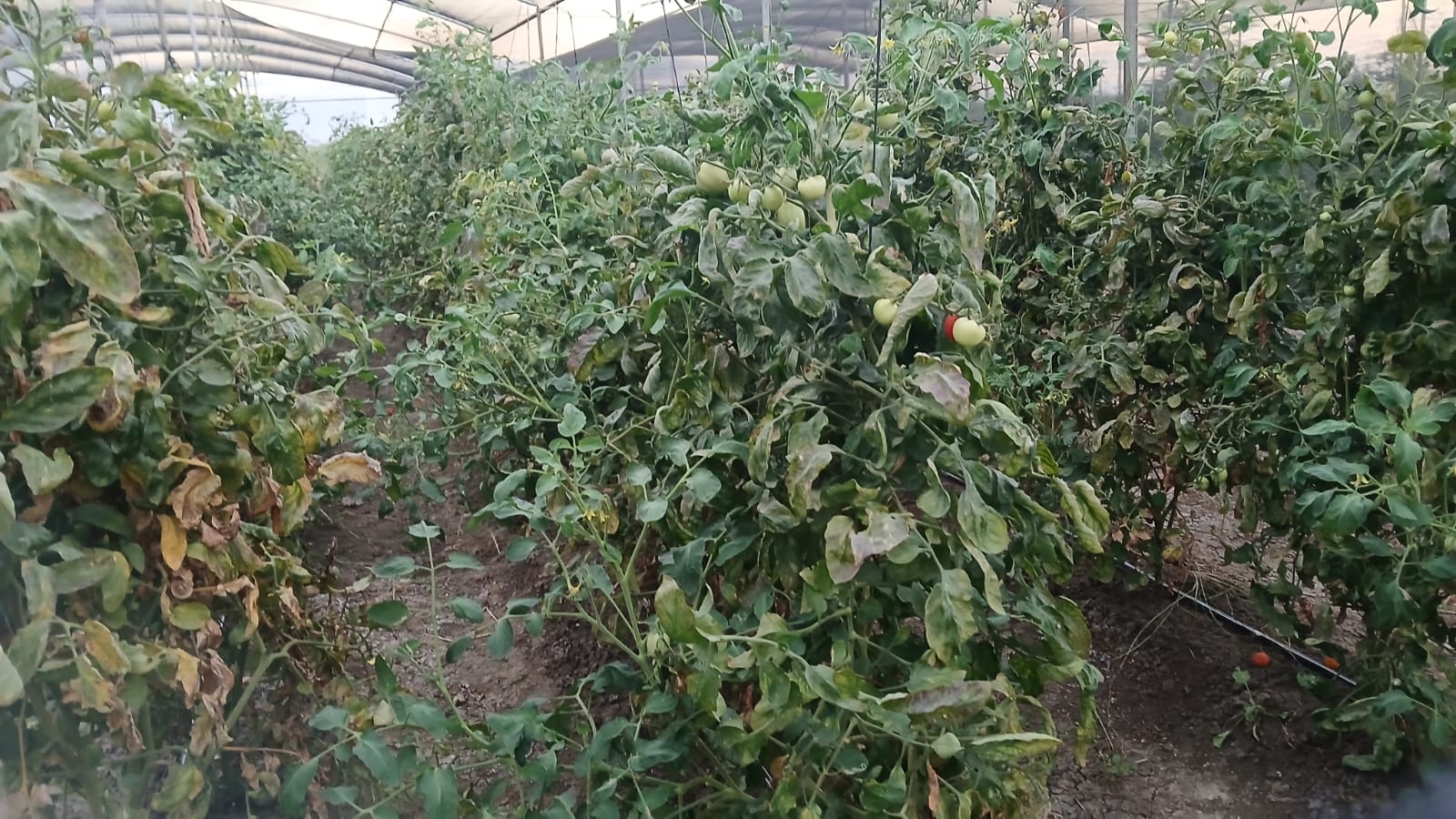
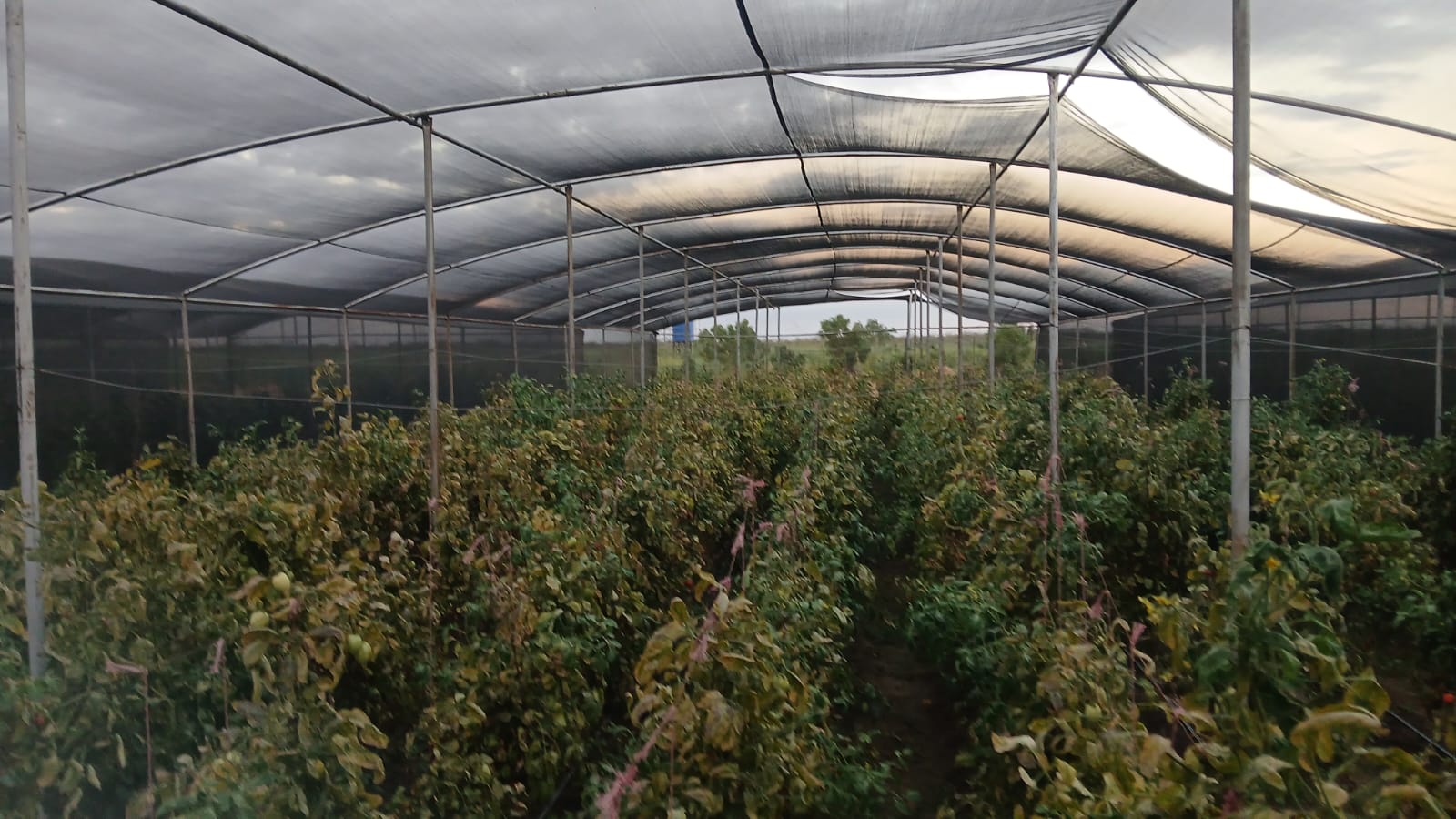
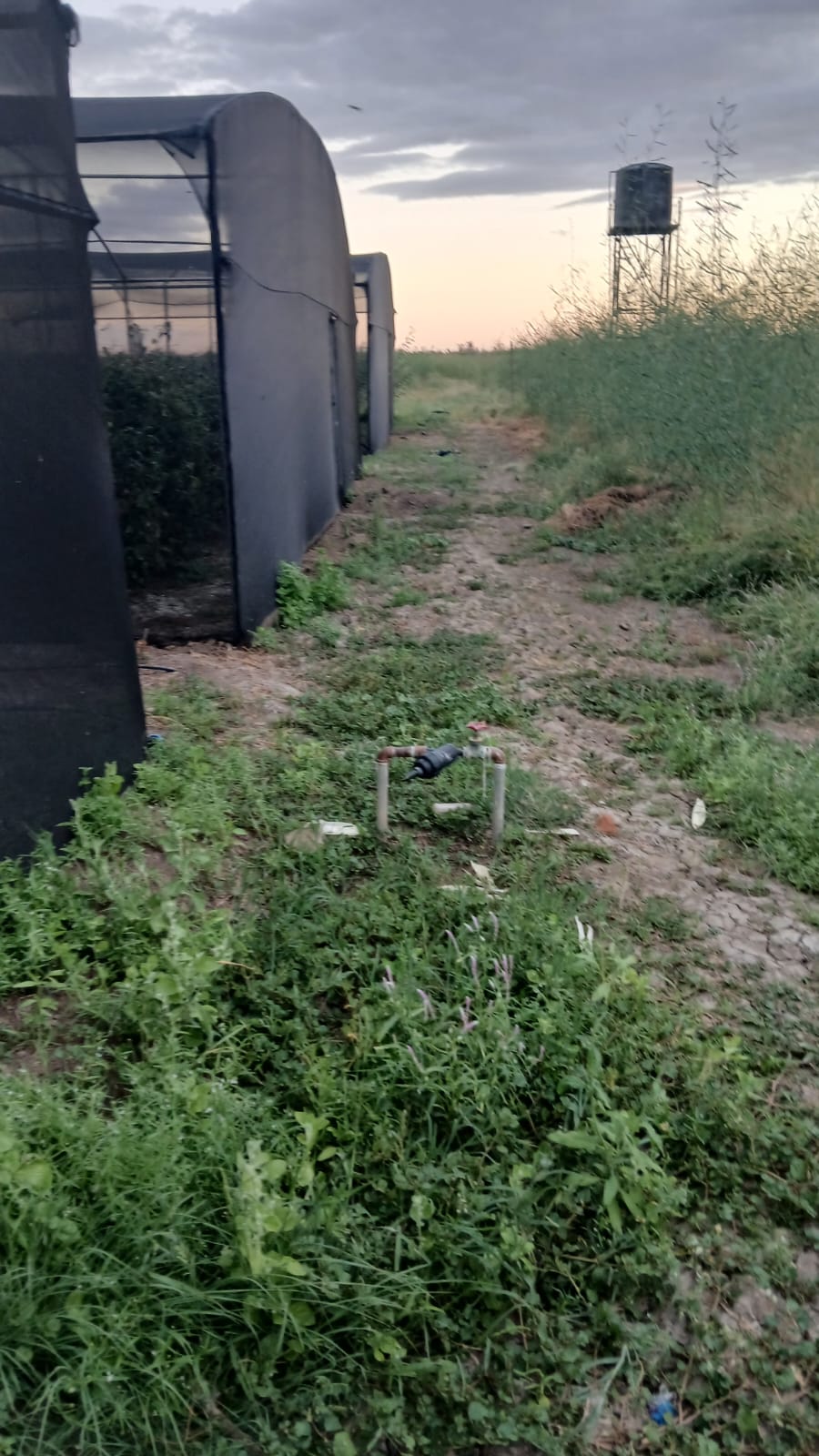
Our Farms



- «
- 1
- 2
- 3
- »
In the challenging environment of the Arid and Semi-Arid Lands (ASAL) of Wajir County, farming is not just a livelihood—it is an act of resilience and a cornerstone of food security. For our members, farming is a vital supporting activity that complements our textile business, providing sustenance and a buffer against economic shocks.
Our Agricultural Practices: Our members engage in small-scale, climate-smart farming. They cultivate a variety of crops suited to our local conditions, focusing on:
- Indigenous Vegetables: Resilient and nutritious greens like mlenda, managu, and kunde.
- Traditional Grains & Legumes: Millet, sorghum, green grams (ndengu), and cowpeas, which are drought-tolerant and form a staple of our local diet.
- Fruit Trees: Mango, papaya, and citrus trees, which provide essential vitamins and an additional source of income when sold at local markets.
- Livestock Rearing: Many members keep small herds of goats and poultry, which provide meat, milk, and eggs for their families, with surplus sold to generate extra income.
Our Strategy: The proceeds from our farm produce go directly towards feeding our families and supplementing our household income. This reduces our vulnerability to fluctuating market prices for food. Surplus produce is often sold at local markets or bartered, creating a vital economic safety net.
Our Future Vision: We are exploring ways to scale our farming efforts with training on improved agricultural techniques, water harvesting, and sustainable land management. By strengthening this supporting pillar, we build a more holistic and resilient economic foundation for all our members, ensuring that even in times of drought, our community remains fed and strong.